Sloth
Facts
-
e
Habitats
Rain Forest
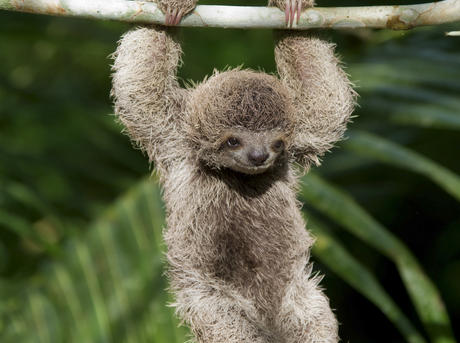
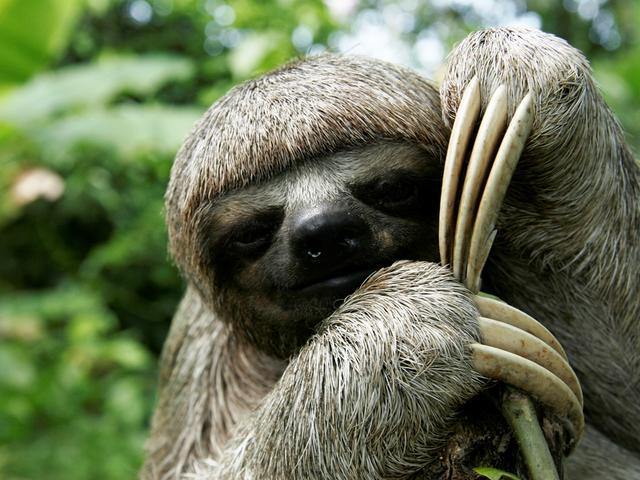
Sloths—the sluggish tree-dwellers of Central and South America—spend their lives in the tropical rain forests. They move through the canopy at a rate of about 40 yards per day, munching on leaves, twigs and buds. Sloths have an exceptionally low metabolic rate and spend 15 to 20 hours per day sleeping. And surprisingly enough, the long-armed animals are excellent swimmers. They occasionally drop from their treetop perches into water for a paddle.
There are two different types of sloths, two-toed and three-toed, and six species:
- Pygmy three-toed sloth (Bradypus pygmaeus)
- Maned sloth (Bradypus torquatus)
- Pale-throated sloth (Bradypus tridactylus)
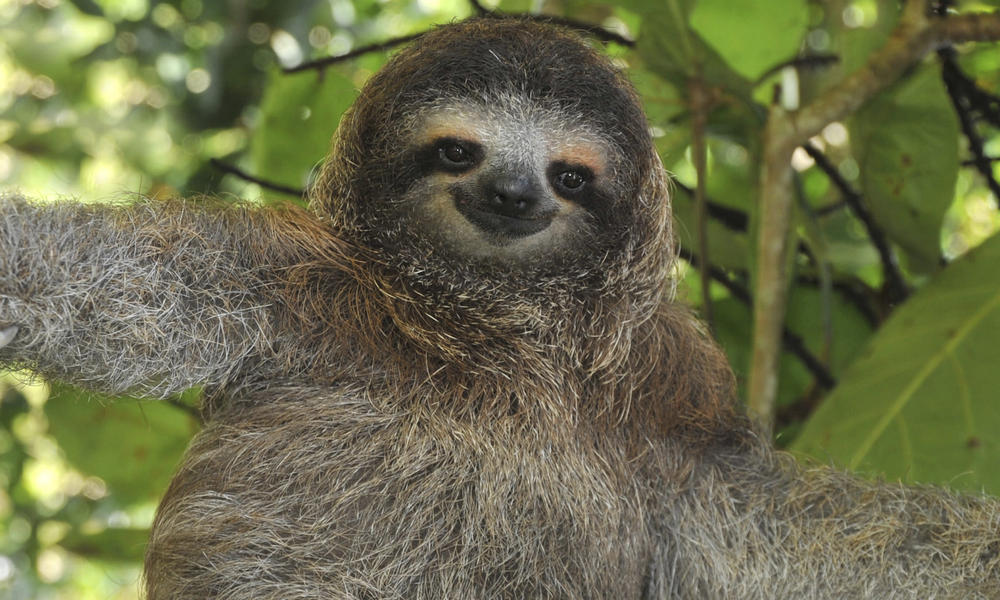
- Brown-throated sloth (Bradypus variegatus)
- Linnaeus’s two-toed sloth (Choloepus didactylus)
- Hoffman’s two-toed sloth (Choloepus hoffmanni)
Of those, the pygmy sloth is critically endangered and the maned sloth is vulnerable.
- Places
- Habitats
The Amazon's athletic animals
The Amazon’s animal athletes demonstrate skill and strength humans can only envy.
Why They Matter
-
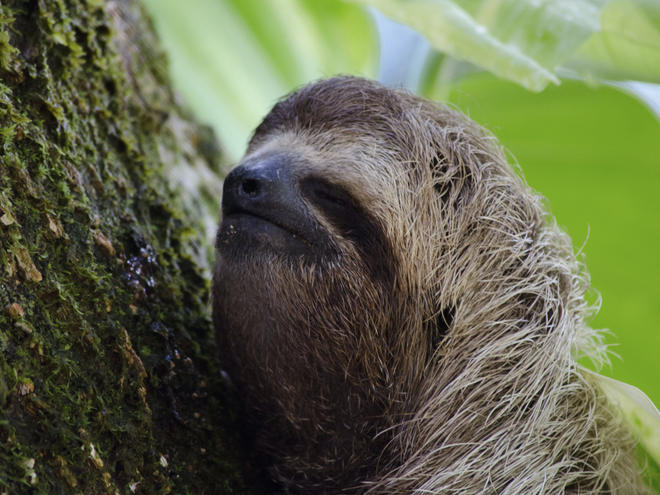
Sloths are an integral part of tropical rain forest ecosystems. Among the most common mid-sized mammals in Central and South American rain forests is the brown-throated sloth.
Threats
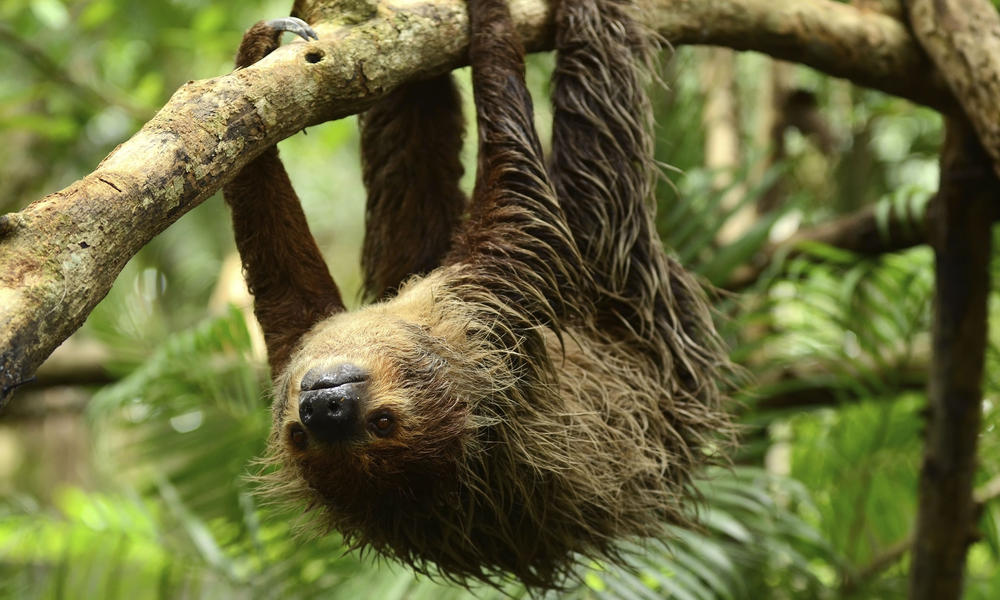
The health of sloth populations is wholly dependent on the health of tropical rain forests. But tropical rain forests are at risk of deforestation. Without an abundance of trees, sloths will lose their shelter and food source. When sloths come to the forest floor—which they do once a week to relieve themselves—they are more exposed to predators and can do little to fend them off.
What WWF Is Doing
WWF works with communities, governments and companies to encourage sustainable forestry. WWF created the Global Forest & Trade Network to create a market for environmentally responsible forest products. The network works at national and regional levels to expand the area of forests under responsible management. And since 2003, WWF has been working with the Brazilian government on the Amazon Region Protected Areas initiative (ARPA) to protect rain forest. ARPA has become the largest conservation project in the world.
How You Can Help
Support WWF
Show your love of the tiger with the WWF BankAmericard Cash Rewards Visa credit card. Bank of America will contribute $100 to WWF for each account opened and activated.

Adopt a Sloth
Make a symbolic sloth adoption to help save some of the world's most endangered animals from extinction and support WWF's conservation efforts.

Related Species
-
 Macaw
Macaw
-
 Jaguar
-
 Poison Dart Frog
-
 Amazon River Dolphin
-
 Black Spider Monkey
-
 Chimpanzee
-
 Giant Panda
-
 Saola
Saola
-
 Orangutan
-
 African Wild Dog
-
 Cross River Gorilla
-
 Mountain Gorilla
-
 Monarch Butterfly
-
 Red Panda
-
 Amur Leopard
-
 African Elephant
-
 Sumatran Tiger
-
 Sumatran Rhino
-
 Brown Bear
-
 Tiger
Tiger
-
 Forest Elephant
-
 Western Lowland Gorilla
-
 Gorilla
-
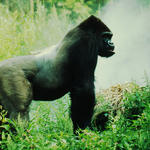 Eastern Lowland Gorilla
-
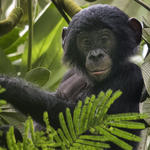 Bonobo
-
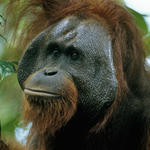 Bornean Orangutan
-
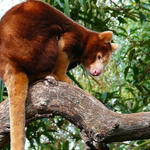 Tree Kangaroo
-
 Amur Tiger
-
 Asian Elephant
-
 Bengal Tiger
-
 Javan Rhino
-
 Greater One-Horned Rhino
-
 Indochinese Tiger
-
 Malayan Tiger
-
 Borneo Pygmy Elephant
-
 Sri Lankan Elephant
-
 Sumatran Elephant